
3 billion in real estate fraud is thwarted annually through effective notary real estate closings? While the buying or selling of a home is often seen as a personal milestone, what happens at the closing table can make or break your deal—and protect you from financial ruin
Startling Facts: How Notary Real Estate Closings Protect Homebuyers and Sellers
Recent statistics on real estate fraud prevented by effective notary service
“A notary’s attention to detail is the last line of defense in major real estate transactions.” – National Notary Association

Modern real estate transactions face more threats from potential fraud than ever before. According to industry studies and title companies, over 25% of real estate fraud attempts are intercepted at the notarization stage, thanks to a notary’s keen verification process. The notary public acts as a legal gatekeeper—scrutinizing identification, verifying voluntary signatures, and authenticating documents central to the property transfer. Without these layers, the risk of identity theft, forgery, and costly disputes would soar for all parties involved. The notary’s impartial position assures both the buyer and seller that every step is legally binding and compliant with state law, making notary real estate closings indispensable to the closing process.
What You’ll Learn About Notary Real Estate Closings
Key notary responsibilities during estate closings
Legal impacts of notarized estate documents
How online notarization is transforming the closing process
In this article, you’ll gain clear insights into the duties of a notary at a real estate closing, understand what estate documents require notarization, and see how the evolution from traditional signings to online notarization is streamlining and safeguarding the buying or selling process. Whether you’re a first-time homebuyer or a seasoned investor, this practical knowledge will empower you to navigate your next transaction with added confidence and peace of mind.
For those interested in the broader landscape of document authentication, it’s worth noting that notaries also play a pivotal role in international transactions through apostille services. If your real estate documents require validation for use abroad, understanding how apostille services work and when they are needed can help ensure your paperwork is accepted across borders.
Understanding the Role of a Notary in Real Estate Closings
What is a Notary Public in Real Estate Transactions?
Definition of notary signing agent vs. notary public
Impartiality in estate transaction processes
A notary public is a commissioned official authorized to perform notarial acts, including identity verification and witnessing signatures, primarily to prevent fraud in critical transactions. In the realm of real estate transactions, a notary often serves as a notary signing agent (NSA), a specialist trained to handle large volumes of complex real estate closing documents. While all NSAs are notaries, not all notaries are equipped to manage real estate paperwork—a distinction that matters for home buyers and title companies aiming for a smooth real estate closing.
The notary must remain strictly impartial in all estate transactions. Their sole purpose is to act as an objective witness, ensuring every closing document is signed under free will and authenticated with precision. This neutrality helps protect all parties—including buyers, sellers, and lenders—from disputes or allegations of coercion or forgery. In high-stakes deals where one mistake can unravel an entire transaction, the notary’s training and ethics serve as the backbone for contractual security.
Why Notary Real Estate Closings Are Required
Legal requirements for real estate document notarization
Safeguarding against real estate fraud and identity theft
Nearly every state mandates that certain real estate closing documents, such as deeds and affidavits, must be notarized to be valid and legally binding. This isn’t just a bureaucratic step; it provides a powerful safeguard. When signers present a government-issued ID, the notary service meticulously verifies their identity—thwarting attempts at potential fraud, fake representation, or identity theft. By certifying the authenticity of both signature and intent, the notary makes the difference between a transaction that stands up in court and one that doesn’t.
Today’s digital threats, including deepfakes and forged documents, make the notary’s verification process more vital than ever. Their scrutiny stops unauthorized individuals from hijacking a sale, protects all stakeholders, and ensures the transfer of ownership is recorded accurately and confidently. Ultimately, the requirement for notarization is an unwavering shield upholding both the legality and the integrity of any real estate transaction.

Key Duties of a Notary in Real Estate Closings
Identity Verification and Fraud Prevention in Estate Closings
How notary services validate identity with government-issued ID
One of the most essential safeguards in estate closings is the notary’s role in confirming each signer’s identity. A notary examines government-issued identification—such as a driver’s license or passport—and cross-checks appearance, signature, and personal details to confirm the signer is, in fact, who they claim to be. This step is critical for every real estate document that will be recorded or could be challenged in the future. Without these notary services, fraudulent actors could easily manipulate property titles, mortgage notes, or deed transfers. In states with higher fraud rates, notaries are often trained to detect even subtle signs of altered or counterfeit IDs, giving buyers and sellers added security at closing. Regular training and adherence to evolving legal requirements ensure notaries are equipped to catch anomalies and protect all parties from financial loss or legal entanglements.
By taking these extra precautions, notaries make real estate notary services indispensable. When parties see the notary validate a photo ID and ask thorough questions, this instills confidence that the closing process is being handled with scrutiny and care, fulfilling one of the key legal safeguards of property transfer.
Witnessing Signatures and Voluntary Signing in Real Estate
Authenticating signers for estate documents
Beyond identity checks, a notary’s physical presence provides another layer of protection: witnessing the actual act of signing. For each real estate document—whether a deed, mortgage, or affidavit—the notary observes the signature, ensures the name matches the ID, and confirms that every party involved is signing willingly, with full understanding and no signs of duress. This process guarantees the document is both valid and enforceable.
With today’s high-pressure closing environments, the notary’s vigilance is key. They are trained to watch for subtle cues about a signer’s mental state, confusion over terms, or undue influence from third parties. If any sign of irregularity is detected, the notary can halt the process and alert the parties. This ability to prevent mistakes or coercion in real time distinguishes a real estate notary from other notary services and ensures the legitimacy of every estate document processed.
Administering Oaths and Affirmations for Estate Transactions
Some estate transactions require signers to swear or affirm that certain statements in the documents are true, especially sworn affidavits or owner declarations. In these cases, the notary’s responsibility extends to formally administering an oath or affirmation before the document is completed. This step creates an added layer of legal responsibility; knowingly lying on a sworn document is perjury, which is a prosecutable offense. By ensuring the proper ritual of swearing in, the notary adds legal force to all estate documents requiring this extra step, further solidifying the transaction for all parties.
A notary’s diligence here is especially important with affidavits of title, marital status declarations, or statements regarding property condition. For each of these, the presence and seal of a highly trained notary—often a notary signing agent—are central for proper legal compliance and an undisputed closing.
Overview of Essential Estate Documents in Notary Real Estate Closings
Understanding Closing Documents and Deeds
Types of real estate closing documents handled
A real estate closing can involve a towering stack of legally binding forms, each with critical details protecting buyers, sellers, and lenders. Key among these are the deed—the document that transfers title between parties; the mortgage or deed of trust—which secures the lender’s interest in the property; the closing disclosure—which zeros in on the financial terms; and various affidavits confirming ownership and occupancy. As a rule, any real estate document that will be recorded with a county or required as evidence in potential disputes needs to be both signed and notarized.
The notary signing agent plays a central role in scrutinizing every document for accurate completion, proper signatures, and the presence of any missing forms. Law requires that a series of critical documents—often including the deed, mortgage, and owner affidavit—must not only be notarized but also presented in a specific sequence dictated by the closing process. This level of procedural oversight by a trained notary or NSA ensures that your closing can proceed without delay or legal challenge after the fact.
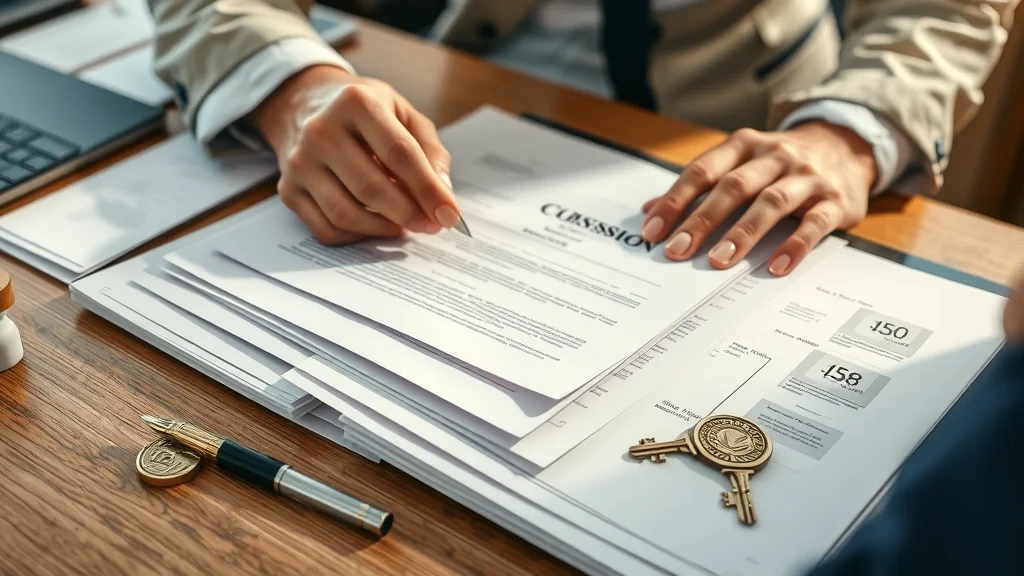
Affidavits, Powers of Attorney, and Other Estate Transaction Documents
Besides deeds and mortgages, estate closings may also involve notarization of affidavits (e.g., owner occupancy, marital status, or title affidavits), powers of attorney when a representative is acting on someone’s behalf, and additional sworn statements required by lenders or state law. These documents rely on the notary’s diligence—because, without a properly notarized affidavit or POA, the validity of entire transactions can be called into question.
Notaries are especially cautious with powers of attorney to prevent fraud or unauthorized representation. Prior to notarization, the notary examines legal authority and documentation closely, halting the process if anything appears amiss. By treating each of these with the same gravity as the deed or mortgage, the notary ensures that estate documents withstand scrutiny—both now and if ever challenged in the future.
Step-by-Step Guide: The Real Estate Closing Process with Notary Services
Scheduling the notary service
Identity verification
Reviewing estate closing documents
Witnessing and recording signatures
Sealing and certifying documents
Each real estate closing follows a rigorous sequence to maintain legal integrity and security for all estate transactions. First, parties schedule a time with a qualified notary—ideally a notary signing agent with real estate expertise. At the meeting, the notary conducts thorough identity verification, examining government-issued IDs and matching them to each signer. Next, the notary reviews every estate document for accuracy, completeness, and compliance with state requirements. With details confirmed, the notary witnesses each signature, ensures voluntary participation, and formally records all signatures as prescribed by law. Finally, the notary affixes their official seal, providing a certified record that makes the documents eligible for recording and enforcement—protecting buyers, sellers, and lenders alike.
Following this well-defined closing process reduces errors, prevents delays, and shields parties from the risk of future legal challenges or disputes over authenticity. It’s a detailed yet essential routine that underpins every legally binding real estate deal.
“Many buyers never realize how pivotal a notary is until the closing table.” – Experienced Closing Agent
Can a Regular Notary Notarize Closing Documents?
Not all notaries possess the specialized training of a notary signing agent. Explore the legal nuances of using a general notary for estate closings.

While many states permit any notary public to notarize real estate documents, the complexity and legal importance of estate closings mean that most title companies, attorneys, and lenders highly recommend—if not require—a notary signing agent (NSA). NSAs are notaries who have completed additional training and certification to handle the intense paperwork and regulatory specifics of real estate closings. Using a “regular” notary without real estate experience can risk costly mistakes, missing forms, or even the invalidation of your transaction. In some states, only NSAs are permitted to close certain loans or mortgages, and the specialized knowledge they bring can be a deciding factor in a smooth, legally sound closing.
When in doubt, always check your state’s laws and your lender’s requirements before selecting a notary for a real estate transaction. An experienced NSA will ensure your estate documents are processed flawlessly and according to legal standards.
Difference Between Notary Signing Agent and Notary Public in Estate Closings
Role | Notary Public | Notary Signing Agent (NSA) |
|---|---|---|
Basic Duties | General notarizations: witness signatures, administer oaths/affirmations | Specialized in real estate closings: handle closing document packages, explain process |
Training/Certification | State notary commission | Additional training/certification (e.g., background screening, real estate documentation) |
Scope of Work | Wills, POA, affidavits, basic documents | Deeds, mortgages, closing disclosures, loan documents |
Legal Authority | Limited to general notarial acts | Authorized to facilitate complete real estate closings |
Online Notarization: The Future of Notary Real Estate Closings
Benefits and Limitations of Remote Notary Services
Virtual or remote online notarization (RON) now allows estate documents to be signed and notarized over a secure video platform, offering unparalleled convenience—especially for out-of-state buyers or busy professionals. RON improves access, minimizes logistical headaches, and speeds up the closing process. However, there are limits; not every state accepts online notarization for all types of closings, and identification must be verified through robust digital channels that match or exceed in-person standards. For high-value or complex real estate transactions, your lender or title company may still require an in-person NSA.
While online notarization is reshaping the industry, always review your state’s laws, as regulations can vary widely. Embracing digital innovations can streamline closing, but oversight, security, and compliance remain paramount at every step.
Legal Considerations for Online Notarization in Real Estate Closing
Each state enacts its own statutes for online notarization, dictating which real estate documents and estate closings qualify. Some require remote notaries to record audio-visual sessions, safeguard digital certificates, and use credential verification tools to vet identities. Before opting for online closing, consult with your notary service, title company, or legal counsel to confirm your transaction meets all requirements for digital processing—especially if parties are located in different states or jurisdictions.
The bottom line: Online notarization is transforming the landscape, but only when done with proper care does it offer true security and legal validity for your property transfers.

What Notaries Cannot Do in Real Estate Closings
Providing legal advice
Choosing the type of notarial act
Drafting or preparing estate documents
Regardless of their level of experience, notary publics and notary signing agents are forbidden from giving legal counsel, selecting the type of notarial act for your document, or drafting estate documents themselves. Their job is strictly to witness, authenticate, and certify signatures—not interpret the law or tailor paperwork to the parties’ interests. For any legal questions or doubt about document requirements, always consult a qualified attorney or your title company for direction.
People Also Ask: Immediate Questions About Notary Real Estate Closings
What does a notary do at closing?
They verify identity, witness signatures, ensure documents are signed voluntarily, and certify the process to maintain legal compliance in real estate transactions.
Can a regular notary notarize closing documents?
Only if state law allows; often, additional training as a notary signing agent is recommended for complex estate closing documents.
How to be a home closing notary?
Acquire notary public commission and, ideally, become a certified notary signing agent to handle real estate transactions.
Does a real estate purchase agreement need to be notarized?
Generally, purchase agreements do not require notarization, but many closing documents—such as deeds—do.
Lists: Common Documents Requiring Notarization in Real Estate Closings
Deed
Mortgage/Deed of Trust
Owner Affidavit
Power of Attorney
Closing Disclosure

FAQs About Notary Real Estate Closings
Do I need a notary for my estate documents in every state?
Most states require notarization for key real estate documents, but the specifics can vary. Check your local laws.What identification is acceptable for estate transaction signers?
Government-issued photo IDs—such as state driver’s licenses, passports, or official military identification.Can a remote notary handle my real estate documents if I’m out of state?
In many states, yes—if both parties and the remote notary follow the jurisdiction’s online notarization laws.
Key Takeaways for Notary Real Estate Closings
A notary’s core role is secure identity verification
Correct notary service ensures legal, fraud-free closings
Online notarization is becoming widely accepted but know your state’s laws
For Trusted Notary Real Estate Closings, Contact Our Experts
Call us at 407 252-5276 or visit enotaryone.com for reliable, certified real estate notary services for your next closing.
Take charge of your next transaction: Always insist on a skilled, certified notary for smooth and secure real estate closings.
If you’re eager to deepen your understanding of the professionals who safeguard your most important transactions, take a moment to explore the story and mission behind our notary team. Learning more about who we are and what drives our commitment to secure, seamless closings can give you added confidence as you navigate your next real estate deal. Discover how our expertise, values, and dedication to client service set us apart in the world of notary and signing agent services. Your peace of mind starts with a trusted partner—let us show you the difference experience makes.