
Have you ever wondered which issued identification will truly pass the notary test? Whether you’re getting a key contract signed, finalizing a power of attorney, or handling real estate transactions, the right ID is your ticket to a seamless notarization experience. But with evolving laws, modern online notarization, and international requirements, understanding what type of identification is acceptable for notarization has never been more important. This comprehensive guide unlocks the legal essentials, practical tips, and expert insights to help you succeed at any notary desk.


 Florida law acknowledges unique scenarios—such as for individuals who are incarcerated—where standard identification may not be available. In these cases, acceptable forms of identification for notarization include an inmate identification card issued after January 1, 1991, by the Florida Department of Corrections, or by the United States Department of Justice, Bureau of Prisons. Additionally, if all IDs were confiscated upon confinement, a sworn, written statement from a law enforcement officer may be provided directly to the notary public as satisfactory evidence of the signer’s identity. These provisions give notaries the legal authority to perform notary services even for signers navigating significant institutional obstacles, ensuring fairness and access to essential legal processes regardless of circumstance.


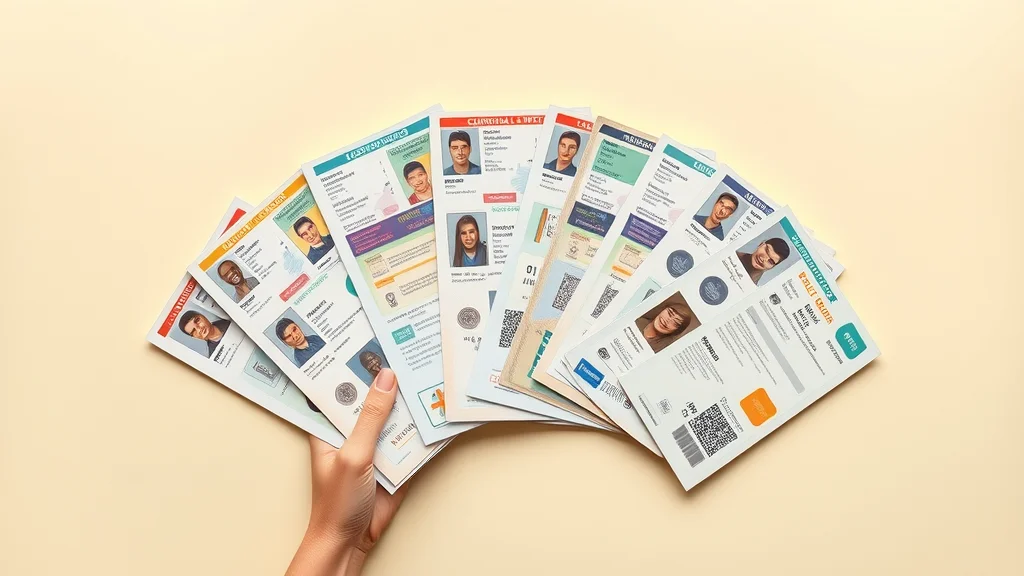
Unraveling What Type of Identification Is Acceptable for Notarization: Why It Matters
When you step into a notary public’s office or schedule an online notary service, one crucial question always arises: What type of identification is acceptable for notarization? The answer isn’t just academic—it’s the difference between getting your document notarized on the spot or facing frustrating delays. Notaries follow strict state and federal laws, especially in states like Florida, to ensure that the individual signing is truly who they claim to be. Presenting the right issued identification not only guarantees a smooth notarial act but protects everyone involved from fraud or legal complications. For each notarization, a valid ID must provide sufficient physical description, signature, and unique identifiers to verify the identity of the signer. Understanding the acceptable forms of ID and how notaries verify them empowers individuals and businesses to confidently approach notary services and avoid costly errors or document rejections.Understanding Acceptable Forms of Identification in Notary Services
Not all IDs are created equal in the eyes of a notary public. In Florida and most other states, an acceptable form of ID for notarization must be government-issued, current or recently expired (typically no more than five years, depending on statute), and possess a serial number along with a signature and photo. Common examples include a driver’s license, state ID card, U. S. passport, or military ID. These forms of identification serve as the foundation for verifying the identity of the signer during a notarial act. For those without a qualifying ID, notary law provides alternative options like credible witnesses—individuals who can attest to the identity of the signer under oath. Regardless of which form is presented, the goal is to ensure that the notary service is both valid and legally protected, safeguarding all parties against fraud or misrepresentation. By mastering which accepted IDs and alternatives are recognized, you’ll streamline every step of the notarization process. For a closer look at how notary services are structured and what to expect during your appointment, you may find it helpful to review the range of notary and document services available through professional providers. This can clarify which identification requirements apply to your specific situation and help you prepare accordingly.
Opening Hook: Have You Ever Wondered Which Issued Identification Will Pass the Notary Test?
It’s easy to assume any government ID will suffice, but not all identification cards clear the bar for notarial acts. Notaries must carefully adhere to state and federal statutes—meaning that presenting the correct, up-to-date issued ID is essential. Have you ever held out your driver’s license, passport, or military ID and worried, “Is this valid for notarization?” In this guide, we break down acceptable forms of identification, special exceptions for minors, inmates, and cases with no ID, as well as what sets online notarization apart. The right knowledge ensures your documents—and your peace of mind—are never left in jeopardy.What You’ll Learn About What Type of Identification Is Acceptable for Notarization
-
The most common acceptable forms of ID for notarization in Florida and beyond
-
The legal requirements for valid ID under current laws
-
How notaries verify identity, including alternatives using credible witnesses
-
Tips for successful notarization and avoiding common mistakes
-
Special considerations for online notarization and international documents
Legal Foundation: What Type of Identification Is Acceptable for Notarization Under Florida Law
Florida law takes authentication seriously, safeguarding documents, property, and identity through meticulously crafted statutes. When you ask, “What type of identification is acceptable for notarization?” in Florida, the answer comes from Florida Statute 117. 05(05). This law mandates notaries to require current or recently issued identification that contains a photo, physical description, signature, and a serial or identifying number. Valid IDs must be issued by agencies approved to provide identification—such as the state Department of Motor Vehicles, the Department of State, or U. S. government bodies. Notaries are given clear directives for handling special situations, like inmate identification, and are prohibited from accepting most expired IDs. Florida’s robust statutory framework ensures that every notarized act is backed by satisfactory evidence, providing both the notary public and client with confidence the process is legitimate and recognized in a court of law.Key Statutes Defining Acceptable Forms of ID, Issued Identification, and Notary Services
“Florida Statute 117.05(05) allows notaries to reasonably rely on current identification documents bearing a serial or identifying number.”The law spells out category by category which forms of identification are considered satisfactory for use during a notarial act. These include state-issued driver’s licenses or ID cards, U. S. passports, foreign passports with a U. S. immigration stamp, military IDs, and several others with strict regulatory scrutiny. Not only must the identification card be authentic and up-to-date, but it must also match the appearance and physical description of the signer. Florida’s approach mirrors best practices across many states—ensuring that the use of credible witnesses is allowed only when there’s a legitimate barrier to obtaining a qualifying ID, and never when the signatory simply prefers not to present one. As such, abiding by statutory details is crucial to a smooth notarization process, limiting the risks of invalidated or challenged documents.
Core Acceptable Forms of ID for Notarial Acts
State-Issued ID and Driver’s License as Valid ID
The most frequently accepted form of identification for notary services is a valid, state-issued driver’s license or ID card. In Florida, these are provided by the state’s Department of Highway Safety and Motor Vehicles, but driver’s licenses from other U. S. states and select territories can also be valid if unexpired and have the required identifying information. The card must display the individual’s signature, photograph, a serial or identification number, and sufficient physical characteristics to identify the signer. During a notarial act, the notary public verifies these features against the signer’s appearance, ensuring the authenticity and credibility of the transaction. By relying on these acceptable forms of ID, notaries prevent identity fraud and establish a reliable paper trail for legal purposes. If your transaction involves a state or federal document, always double-check that your driver’s license or ID meets these criteria well before scheduling notary services.United States Passport and Foreign Passport Requirements
A U. S. passport is recognized nationwide as an acceptable form of identification in notarial acts, provided it is currently valid. These documents include all the key components: photo, signature, identifying numbers, and a physical description. Foreign passports can also be used, but they must have an official stamp from the U. S. Bureau of Citizenship and Immigration Services, confirming lawful entry or status. The notary public reviews the passport to confirm that all details are consistent and current. This is particularly vital for those executing documents for international use, for immigrants, or for those who lack a domestic-issued ID. In all cases, attention to detail and conformity to statutory requirements ensure that the passport serves as satisfactory evidence for the signer’s identity—ensuring the notarial act proceeds lawfully and can be relied upon both locally and abroad.Identification Card Issued by Armed Forces and Bureau of Citizenship and Immigration Services
In addition to civilian IDs, an identification card issued by any branch of the U. S. armed forces or the Bureau of Citizenship and Immigration Services (USCIS) qualifies as a valid ID for notarization in Florida and most other jurisdictions. Military IDs are especially common for service members and dependents, containing the requisite signature, serial number, and a clear photo. Similarly, USCIS-issued cards, which often serve immigrants and foreign nationals, are tightly regulated and include biometric data to further establish the signer’s identity. Notaries are trained to interpret these cards, reviewing embedded security features and matching photos and names precisely to avoid errors. These government-issued identification forms play a crucial role for individuals without a standard state ID, offering legitimate options for notarial acts in sensitive and high-security contexts, both in person and through online notary platforms.Special Cases: Inmate ID, Sworn Law Enforcement Statements, and Alternative Identification Methods
Inmate Identification Cards and Law Enforcement Sworn Statements
Florida law acknowledges unique scenarios—such as for individuals who are incarcerated—where standard identification may not be available. In these cases, acceptable forms of identification for notarization include an inmate identification card issued after January 1, 1991, by the Florida Department of Corrections, or by the United States Department of Justice, Bureau of Prisons. Additionally, if all IDs were confiscated upon confinement, a sworn, written statement from a law enforcement officer may be provided directly to the notary public as satisfactory evidence of the signer’s identity. These provisions give notaries the legal authority to perform notary services even for signers navigating significant institutional obstacles, ensuring fairness and access to essential legal processes regardless of circumstance.
Using Credible Witnesses as Satisfactory Evidence for Notarization
When an individual lacks an acceptable form of ID due to age, health, or disability, Florida notary law provides alternatives involving one or two credible witnesses. A single credible witness must be personally known to the notary public and can swear to the identity of the signer. Alternatively, two credible witnesses—each providing valid issued ID—may act together. These witnesses must affirm that the person signing is indeed named in the document, is personally known to them, cannot reasonably obtain alternative identification, and does not possess any of the otherwise required forms of ID. Witnesses also must have no financial interest in the transaction. This mechanism ensures that all individuals, regardless of circumstance, can access lawful notary services while maintaining a high standard of document security and verifying the identity of the signer through satisfactory evidence.Expired vs. Valid ID: How Notaries Evaluate Forms of Identification
The distinction between a valid and expired ID can make or break your notarization experience. Most states, including Florida, require that identification presented to a notary be current or recently issued (generally within the last five years). An expired ID normally does not qualify unless legally specified, as the notary must confirm that every identification document presents a true and current likeness of the signer. For example, old photographs or outdated information on an ID may prevent a notary from relying on it during a notarial act. Some edge cases exist, such as minor leeway for military IDs or in situations governed by federal statutes. Individuals should always verify their acceptable forms of ID are up-to-date and proactively address expiration issues to avoid disruption of notary services or rejection of critical documents.|
Comparing Acceptable and Expired IDs for Notarial Acts |
|||
| Identification Type | Current (Valid ID) | Expired ID | Special Notes |
|---|---|---|---|
| State Driver’s License / ID Card | ✔️ Acceptable if unexpired or issued within last 5 years | ❌ Generally not acceptable | Always check issue/expiration dates before notarization |
| U.S. Passport | ✔️ Acceptable if unexpired | ❌ Not accepted in most cases | May be exceptions for recently expired in specific circumstances |
| Military ID | ✔️ Acceptable if unexpired or active status | ❌ Not accepted unless specified by law | Check for exemptions tied to military status |
| Foreign Passport with Immigration Stamp | ✔️ Must be current and stamped by USCIS | ❌ Not accepted if expired | Critical for non-U.S. citizens or residents |
| Inmate ID / Law Enforcement Statement | ✔️ Accepted under Florida law (see special cases above) | ❌ Not applicable if outdated or absent official verification | Must be supported by sworn statements or corrections authority |
How Notaries Verify the Identity of Signers
The Verification Process: Reviewing Issued Identification and Satisfactory Evidence
Notaries public have a legal responsibility to verify the identity of every signer during a notarial act. Typically, a notary reviews a government-issued identification document—checking for a clear photo, signature, serial number, and physical description. The notary matches the presented ID with the person in front of them, sometimes making note of height, eye color, or other descriptors as an extra safeguard. If alternative forms of identification are used—such as credible witnesses—the notary is required to collect sworn statements and confirm via separate documentation. The result? Every notarial act produces a reliable, legally recognized record of the identity of the signer, helping prevent fraudulent transactions and ensuring the notarization process is above reproach.Legal Advice: When to Seek Guidance Regarding Acceptable Forms of ID
While most notarizations proceed smoothly, there are instances where legal advice or clarification is essential—such as documents destined for foreign jurisdictions, complex real estate transfers, or cases involving disabled or elderly signers. If you are unsure whether your issued identification or identification card qualifies, consult a notary public before the appointment. Legal advice from a notary service provider, or even an attorney in challenging scenarios, can save time and reduce the risk of costly errors. High-stakes transactions or international matters can present extra scrutiny, so having your identification documents vetted in advance ensures that your notarial act is fully compliant with governing statutes and recognized wherever your documents travel.Acceptable Forms of ID for Online Notarization
Requirements for Online Notary and Online Notarization Services
Online notarization, or remote online notarization (RON), has created new standards for verifying identity in the digital age. In Florida and many other states, an online notary requires the signer to present a government-issued photo ID via webcam or upload. The online notary service uses credential analysis technology to ensure the ID is authentic and current. The same standards for acceptable forms apply—driver’s license, state ID, U. S. passport, and so on. Some platforms may also require additional steps, like answering identity challenge questions derived from public records. Deadlines surrounding expired IDs remain unchanged, and notaries are trained to spot fake or altered IDs through both manual and digital review. Always confirm the requirements of the online notarization provider, as the standards for what type of identification is acceptable for notarization remain stringent in the virtual environment.Technological Safeguards in Online Notary Service and Identification Verification
With the advent of online notary services, technology plays a pivotal role in identity verification. Credential analysis tools digitally examine uploaded or presented ID cards, flagging discrepancies in serial numbers, expiration dates, or physical details. Online notary services also use multi-factor authentication, like knowledge-based authentication (KBA), asking the signer questions only they can answer based on credit history or public records. This process secures the notarial act against fraud and ensures that only those meeting the legal threshold of satisfactory evidence may proceed. Furthermore, every step and every verification is recorded for audit purposes, enhancing both the convenience and legal integrity of online notarization platforms for Florida residents and interstate users alike. (Visual demonstration placeholder: Imagine a walkthrough where the notary asks the signer to hold up a state-issued ID to the webcam, verifies the details onscreen, and walks through additional identity challenge questions. The system confirms authenticity before the notarial act begins. )International Use: Apostille and Notarized Document Requirements
Understanding the Apostille and Its Connection to Notary Services
“An Apostille certifies the origin and authenticity of public documents for use abroad under the Hague Convention.”When your notarized document will be used outside the United States, extra layers of authentication become necessary. The Apostille—a certification authorized by the secretary of state—verifies that the underlying notarial act was performed by a qualified notary public and is recognized by member countries of the Hague Apostille Convention. In Florida, obtaining an Apostille begins with presenting your properly notarized document (using qualified forms of identification) and requesting international authentication from state authorities. This streamlined certificate is then attached to your document, granting it validity for legal, academic, and business use in dozens of partner countries. Proper identification during the original notarization process ensures a seamless path to international document acceptance. (Video walkthrough placeholder: Steps include notarizing your document using an acceptable form of ID, submitting it to your state’s secretary of state office, completing an apostille request form, and receiving the stamped apostille for shipment abroad. )
Lists of Common Acceptable Forms of Identification for Notarization
-
State driver’s license or ID card
-
U.S. passport
-
Foreign passport with U.S. immigration stamp
-
U.S. Armed Forces ID
-
U.S. Bureau of Citizenship and Immigration Services ID
-
Inmate identification (as specified above)
-
Sworn law enforcement statement or credible witness affidavit (in special situations)
Which of the Following Is a Satisfactory Form of Identification for a Notary?
State-issued driver’s license, U.S. passport, armed forces ID, and immigration-issued cards are satisfactory under Florida law.
When asked, “Which of the following is a satisfactory form of identification for a notary?” remember to prioritize government-issued photo identification that is current and contains both a signature and identifying number. In Florida, the most commonly accepted forms are a state or federal driver’s license or ID card, a U. S. passport, a U. S. Armed Forces ID, and Green Cards or other IDs issued by the Bureau of Citizenship and Immigration Services. Each of these documents provides the necessary security features, giving both signer and notary peace of mind during a notarial act.What Are Two Forms of ID with Signatures?
State-issued ID cards and U.S. passports both contain signatures and serve as primary identification for notarizations.
In considering “What are two forms of ID with signatures?” for notary service, the answer is straightforward: a state-issued ID card, such as a government driver’s license, and a valid U. S. passport. Both these forms include a visual signature (either printed or handwritten during the ID creation), photo, and necessary personal details. These signature components are required by law to verify the authenticity and intent of the person executing a legal document before a notary public.How Do Notaries Verify Identity?
Notaries review valid government-issued identification and may use credible witnesses if necessary to verify the signer’s identity.
How do notaries verify identity? Notaries public closely review the validity of issued identification by comparing the presented document’s signature, serial number, and photo with the signer at hand. If the person cannot produce a qualifying ID, legal statutes permit the use of credible witnesses as an alternative only under specific conditions. The notary records the type of identification—or the names and statements of witnesses used—to confirm a legally binding, verified notarization process. This dual approach ensures broad access while maintaining a strict security standard at every step.What Are the Documents that Need To Be Notarized?
Documents frequently requiring notarization include affidavits, deeds, powers of attorney, contracts, and permissions for minors.
Common examples of documents that need to be notarized include legal affidavits, property deeds, powers of attorney, business agreements, wills, and travel permissions for minors. Each of these bears significant legal or financial consequences, making proper identity verification and the use of acceptable forms of ID essential for complying with law and preventing fraud. Notarizing these documents transforms private agreements into public, legally recognized records, offering protection and recourse if disputes arise.Frequently Asked Questions About What Type of Identification Is Acceptable for Notarization
-
Can I use an expired ID for notarization? Generally, no. Most notaries require a current, unexpired ID, though some jurisdictions allow IDs issued within the last five years. Always check the latest statutory guidelines or consult your notary in advance.
-
What if I do not have any of the listed acceptable forms of identification? Florida allows the use of credible witnesses under sworn statement as a last resort. These witnesses must meet legislative standards and possess valid ID themselves.
-
Can online notarization verify identity differently? Online notary services use advanced credential analysis and knowledge-based authentication (KBA) to verify your identity digitally, but they still require the same government-issued photo ID as a primary credential.
-
Are minors or disabled persons allowed alternatives for identification? Yes, in Florida, credible witnesses can provide sworn statements to verify the identity of minors or those with disabilities unable to obtain standard forms of ID.
-
What should I do if my ID was confiscated? If you are incarcerated, a sworn statement from law enforcement, or an alternative form of satisfactory evidence, may be used as outlined in Florida Statutes.
Key Takeaways on What Type of Identification Is Acceptable for Notarization
-
Always provide a valid, government-issued ID bearing a signature and photo
-
Florida allows credible witnesses in certain circumstances
-
Online and international notarizations may require specific documentation
-
Expired identification is generally not acceptable unless recently expired and allowed by law